What should I know before buying my first car in the USA?
Compare car prices, financing, insurance and used-car checks before buying your first vehicle in the USA. A practical guide for South African newcomers.
On this page
Reviewed November 12, 2026. SA Connect editorial guide based on official US consumer guidance.
A car can make settling into America much easier, particularly where work, shops and housing are far apart. But the advertised price and monthly instalment tell only part of the story. Before visiting a dealer, work out your full budget, compare finance options and learn the registration requirements in your state.
Start with the cost of owning it
Write down the purchase price, deposit, taxes and fees, then estimate insurance, fuel, maintenance and repairs. Get insurance quotes for the exact vehicles you are considering before committing. Leave room in your budget for unexpected repairs rather than using every available dollar for the deposit.
The CFPB recommends considering both upfront expenses and ongoing ownership costs when deciding what you can afford. Source: CFPB car-budget guidance.
Ask for the out-the-door price
Ask each dealer for a written, itemised out-the-door price before discussing monthly payments. This is the total purchase price before financing, including taxes and fees. Ask which add-ons are optional and have unwanted products removed from the quote.
Keep price, financing and any trade-in clear in your notes. A lower instalment does not necessarily mean a better deal. Source: FTC financing guidance.
Compare financing, not just the instalment
Compare the amount borrowed, annual percentage rate (APR), loan term, monthly payment and total payments. A longer term can reduce the monthly instalment while increasing total interest. Ask banks or credit unions as well as the dealership what they can offer; approval and terms depend on the lender and your circumstances.
You may have limited US credit history when you arrive. Do not assume an advertised promotional rate is the rate you will receive. Ask what documentation the lender needs before submitting an application. Source: CFPB comparing auto loans.
If a co-signer is suggested, understand that they take on responsibility for the debt too. It is a serious commitment, not simply a character reference. Source: FTC financing guidance.
Check a used car independently
For a used vehicle sold by a dealer, read the Buyers Guide to understand whether it comes with a warranty or is offered “as is.” Get promises in writing.
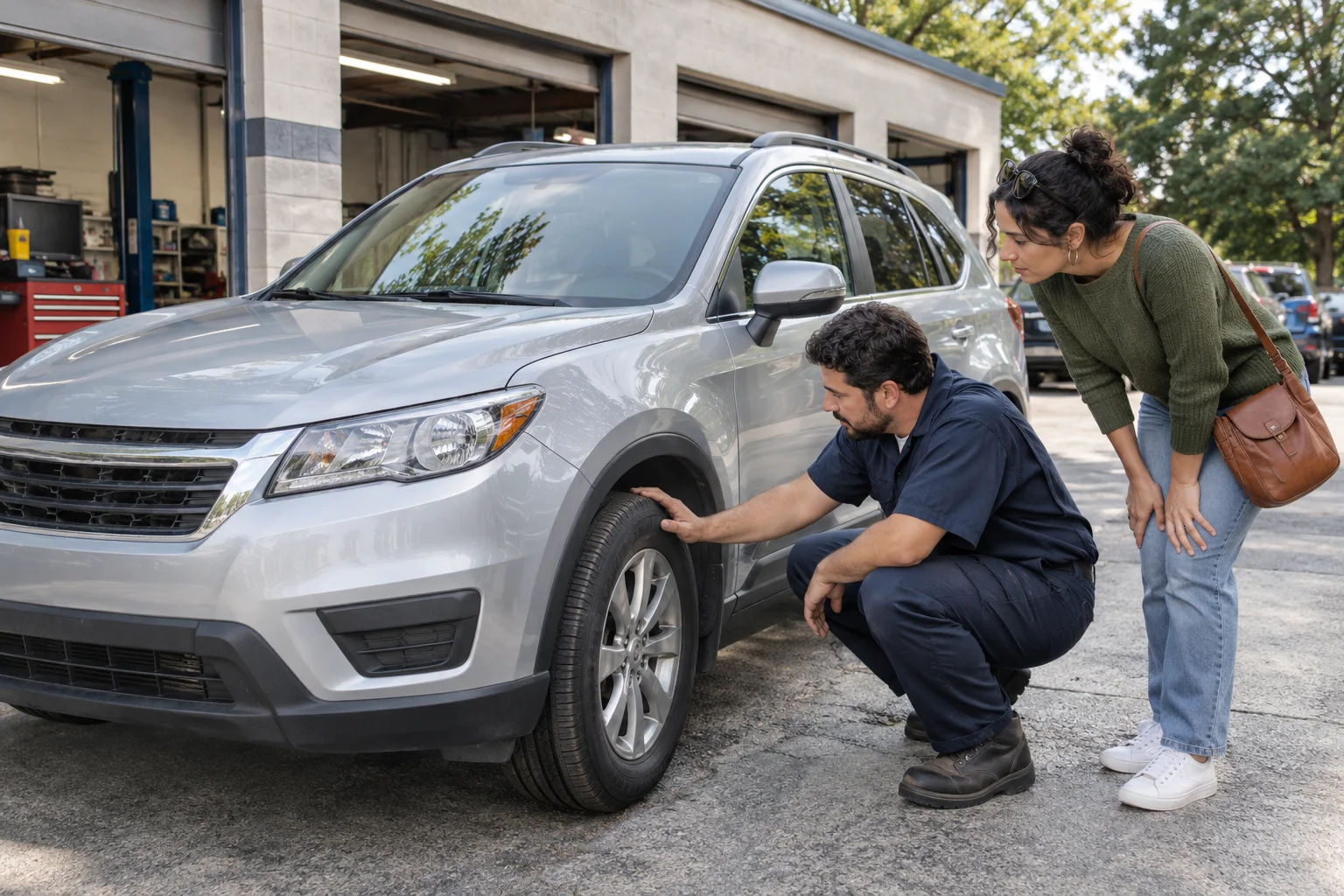
Arrange an independent pre-purchase inspection and obtain a vehicle-history report. A clean-looking report cannot replace a mechanic’s examination. Ask about the condition of tyres, brakes, battery and any likely near-term repairs. Check the return policy before signing: do not assume you automatically have three days to cancel. Source: FTC used-car guide.
Also search the vehicle identification number, or VIN, using NHTSA’s recall lookup. Its results have limits, including some recently announced recalls, so a result showing no open recalls is not a complete mechanical assessment.
Confirm the state paperwork
Use USA.gov’s state motor vehicle directory to find the relevant agency. Ask about title transfer, registration, taxes, required insurance, inspections and any temporary permit needed to drive the car away. Private sales can involve different steps from dealer purchases.
Check your own eligibility to drive separately. Buying a vehicle does not establish that your South African licence is valid for your circumstances.
Before you sign
Make sure the written price, finance terms, add-ons and warranty match what you agreed. Resolve blank fields or unclear conditions before signing, and keep copies of the completed documents.
Your first car does not have to be your forever car. A vehicle that fits your actual commute and full budget can give you breathing room while you settle in.
Community question: What caught you by surprise when buying your first car in America?
*General consumer information, not personalised financial or legal advice. State requirements and lender terms vary.*
www.consumerfinance.gov
Open link